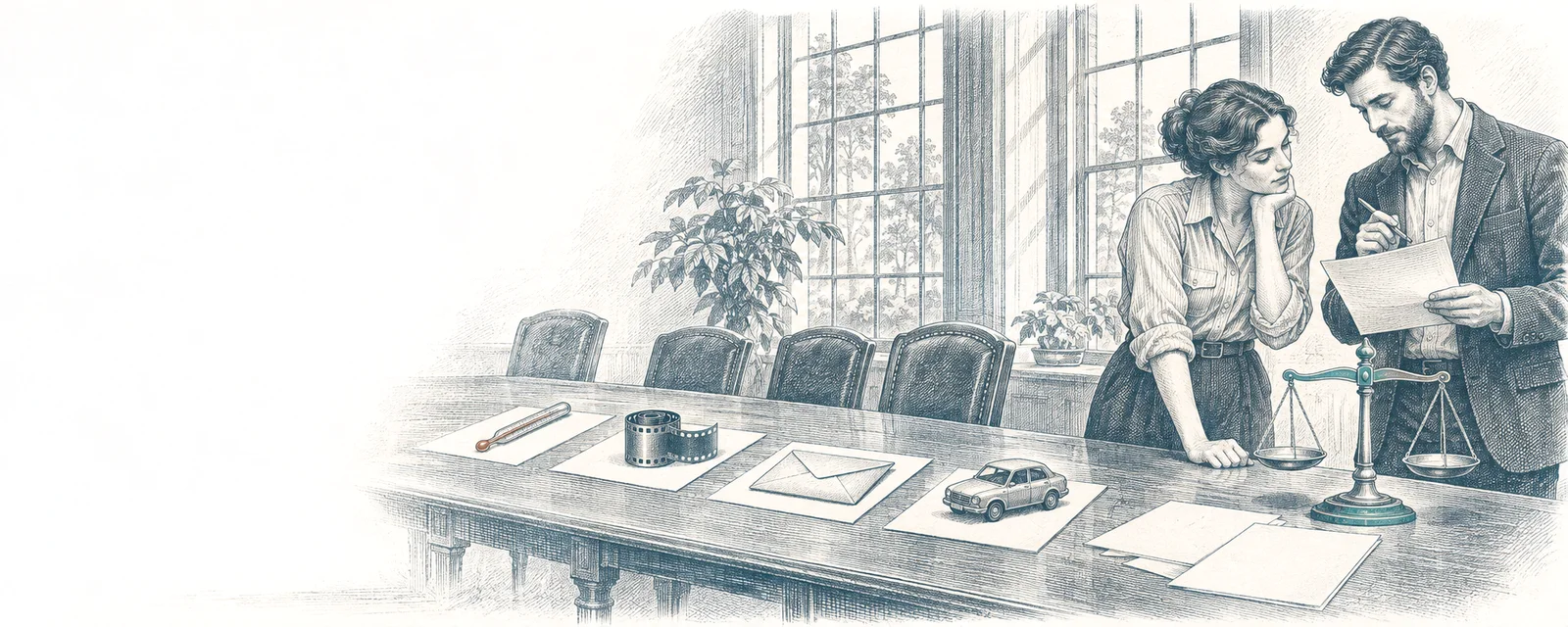
Major wrong decisions, recalculated in hindsight.
A method for decisions should make ordinary decisions better. Above all, it should catch the major wrong decisions before they are made. Each page applies the method in hindsight, with what was known at the time, and shows the point at which it would have caught the wrong decision.
Situations in which a written-down reason makes the difference
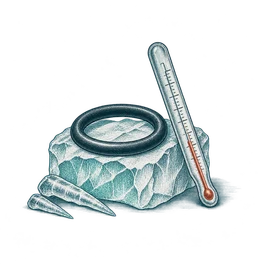 Decision under uncertainty
Challenger, 1986
A risk without a number is not a risk of zero.
The method would have caughtSeparate pressure and rank from arguments and steer the debate to the one question that counts: how plausible the risk is.
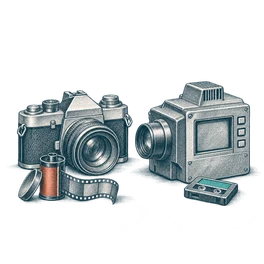 Decisions over time
Kodak, 1981 to 2003
A good decision has an expiry date.
The method would have caughtTrack a reason over time and see when it stops holding, while there is still time to change course.
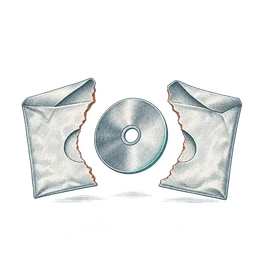 Transparency of a decision
Netflix and Qwikster, 2011
What is not open inside cannot be explained outside.
The method would have caughtLay out reasons and objections inside the company, so the decision is tested and can be explained outside.
 Deciding by one's own values
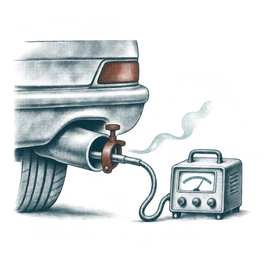
Volkswagen, 2006 to 2015
Values count only when they are part of the decision.
The method would have caughtWrite the company's own values into every decision as a fixed weight, so that an objection cannot be passed over.
The map only uses what was known on the day of the decision or could have been read from the data at hand. The outcome is kept apart at the end.
V, I and P are assumptions of this reconstruction. Each one carries its reason. Anyone who sets a number differently can see whether the other side is then ahead.
Quotes and figures come from investigation reports, annual reports and the words of those involved. The sources are on every page.
The method behind the maps. The full derivation of V × I × P is on the page Reason Based Decision Making for Business. To the derivation →